How to Keep Greens Fresh: Stop Wilting and Save Money in Your City Kitchen
If you live in a city, you are likely familiar with the dreaded “herb tax.” You buy a $5 pack of fresh basil or cilantro for a single recipe, use a few sprigs, and toss the rest into the vegetable crisper. Three days later, you pull out a wilted, slimy mess. For urbanites, keeping store-bought vegetables fresh feels like an unwinnable battle against time, largely because city grocery stores rely on long supply chains that age the produce before you even buy it.
However, learning how to keep your beloved greens fresh requires a slight shift in mindset. The secret isn’t just about finding a colder spot in your fridge; it’s about finding ways to keep the plant’s cells hydrated and active for as long as possible. Whether you achieve that through strategic storage hacks that pause the decay, or by bringing small, living plant systems directly into your kitchen, having access to crisp, vibrant greens shouldn’t be a luxury. In a concrete apartment, a fresh, sustainable kitchen can—and should—be a daily reality.
The Urban Freshness Problem: Why Does Production Fail
The secret to a long-duration product is understanding the failures and ensuring they never happen. Most supermarket vegetables are usually sold in utterly sealed plastic bags. While these are great and convenient for transport, but they are highly dangerous for plants because of:
• Ethylene Gas: Plants naturally emit this gas as they ripen. In a sealed bag, the gas is trapped, causing the vegetables to “age” and rot at way faster speed than usual.
• Excess Moisture: Condensation inside those plastic packaging leads to an anaerobic bacteria growth—the primary cause of that is the “slimy” texture in spinach and arugula.
When you factor in the days these plants spent in trucks and warehouses before reaching the market you bought it from, it is no wonder they have arrived at your kitchen or your refrigerator ready to rot just in a short period of time.
Traditional Fixes: Managing the Decay
There are ways to prevent the greens from rotting that fast. People from the countryside often rely on manual tricks to prevent their groceries from rotting faster than it should naturally.
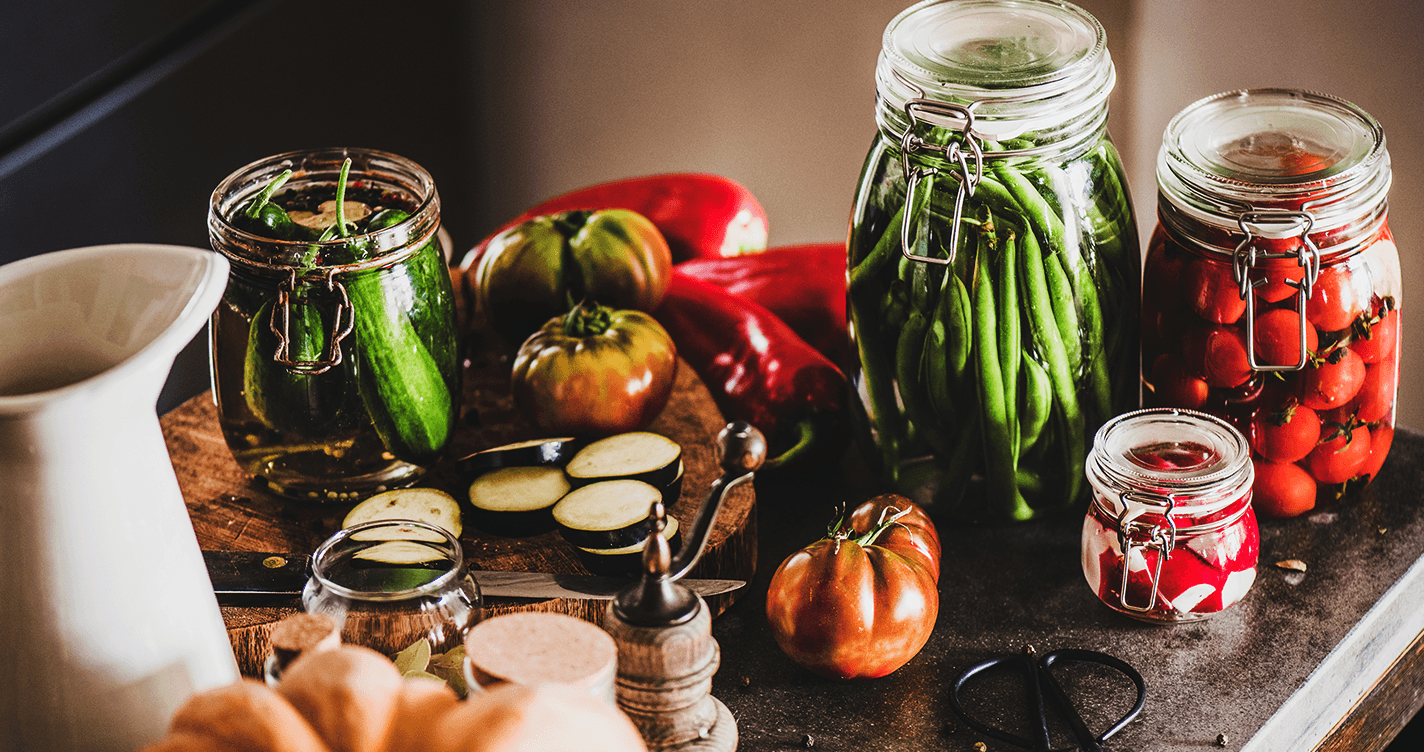
The “Bouquet Method” is pretty famous and involves treating soft herbs like cilantro or parsley like fresh flowers by placing their stems in a jar of water. For leafy vegetables, the “Damp Towel Roll” helps balance moisture levels to prevent slimy texture. If you find your lettuce has already gone limp, a quick “Ice Bath”—sinking the leaves in ice-cold water for 15 to 16 minutes—can often shock the plant cells back into a crisp state through something called turgor pressure.
While these methods are effective for preventing greens from rotting by a few days, they are essentially a type of “life support” for dying plants. They require constant maintenance and valuable fridge space.
The Permanent Solution: Growing Your Own Greens in Small Spaces
Even with the best storage habits, as soon as you harvest the vegetables by the time its ready to be eaten it loses its freshness. The only way to have actual “forever fresh” greens is to harvest them seconds before you eat them.
For people who live in cities, traditional soil-based gardening is difficult most of the time for beginners. High buildings block the 6–8 hours of sun that herbs need, and a precious counter space is too much valuable for sacrificing it to messy, dirt-filled pots. This is where we use the modern agricultural technology.
The Science of Vertical Hydroponics: A Modern Urban Answer
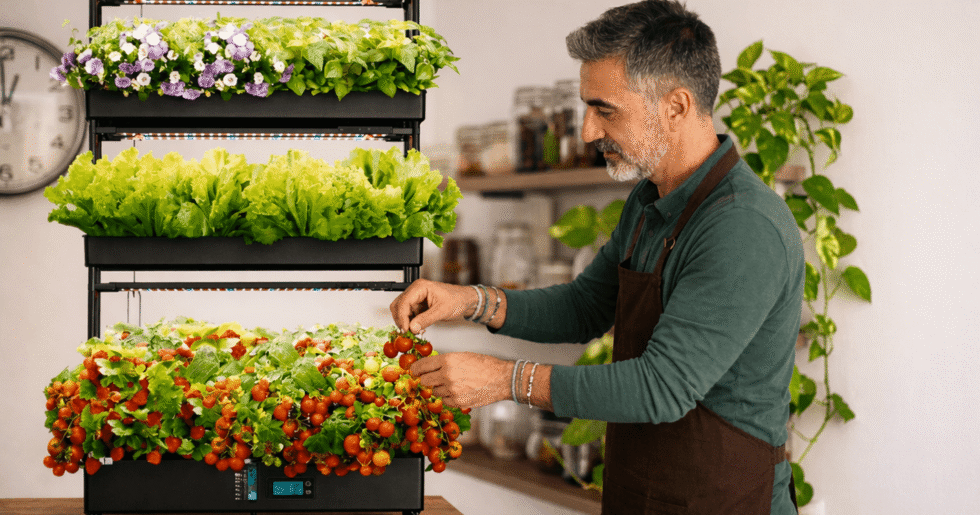
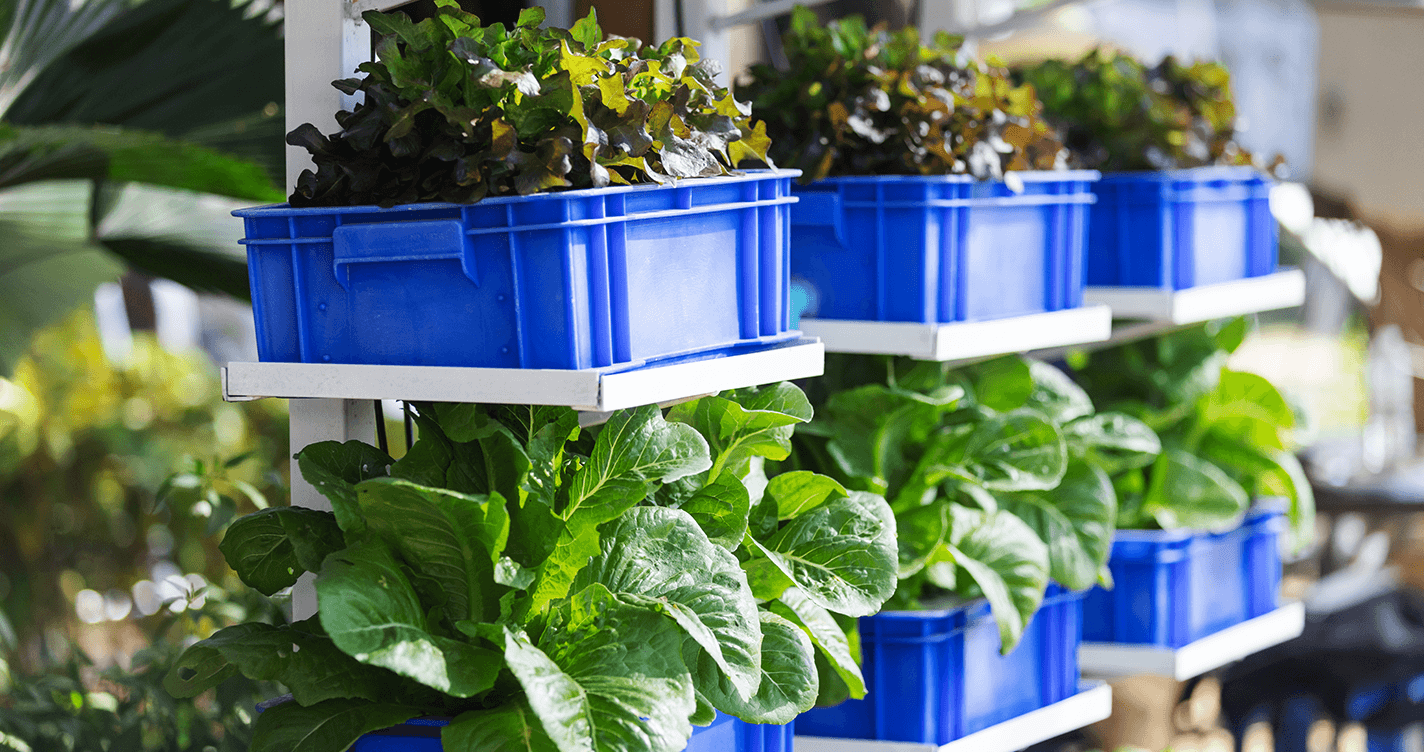
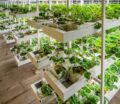
To solve the problem of having no space and no light for growing your own greens, many residents are moving towards vertical hydroponics. These systems stack plants upward which allows you to grow an entire garden in just a small corner.
The Working Principle: How It Works Without Soil
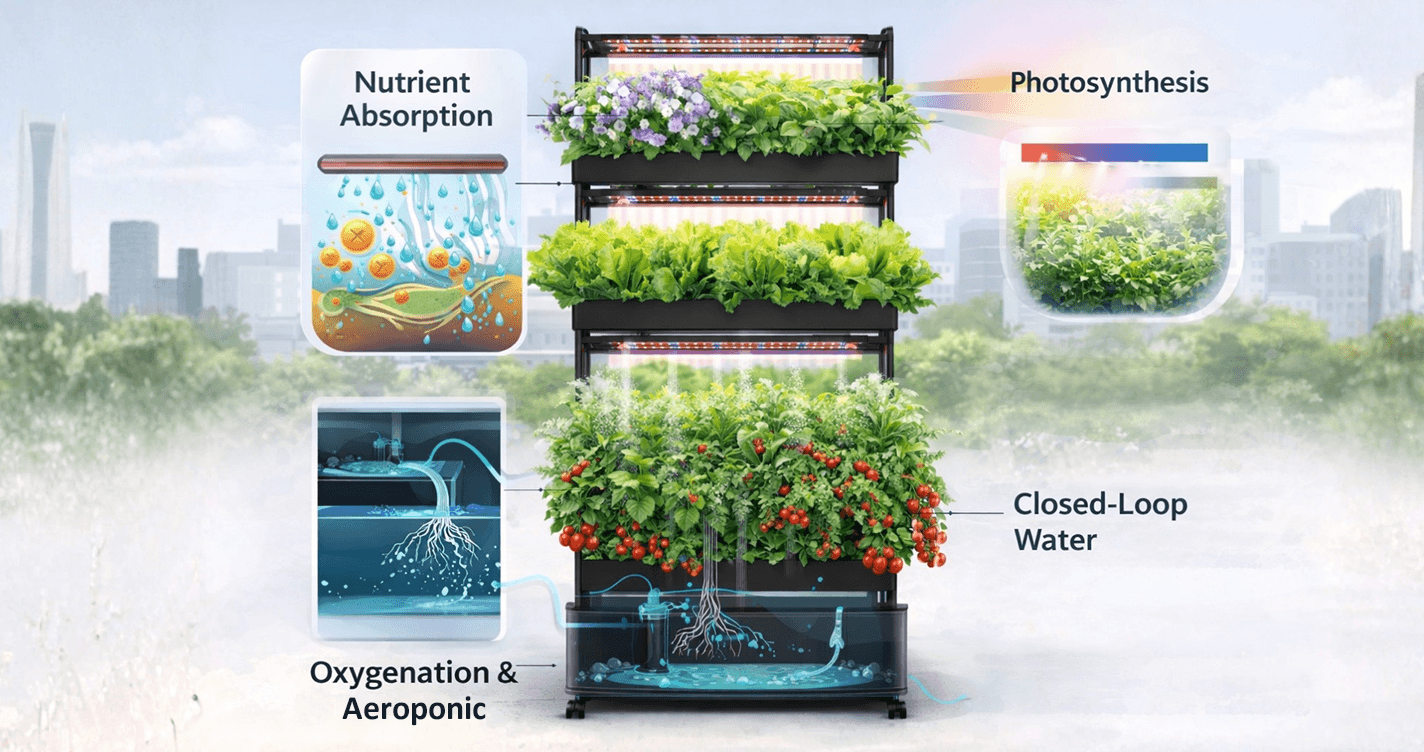
There are some working principle of a vertical hydroponic system which is based on high-efficiency nutrient delivery and environmental control:
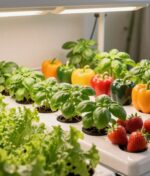
1. Direct Nutrient Absorption (The Water Cycle): Instead of having roots struggling to find minerals in packed soil, they are suspended in a circulating stream of water filled with exact nutrients they need. Because the nutrients are delivered in a liquid state, the plant does not waste energy growing massive root systems to “search” for food which allows that energy to go directly into growing green, long leaves.
2. Oxygenation and Aeroponic Fusion: A silent internal pump keeps the water moving, creating necessary dissolved oxygen. In many vertical towers, the water is sprayed over the roots which prevents the root from rotting and allows the plant to grow up to 5 times faster than it would in a traditional garden.
3. Photosynthesis on Demand: Because city apartments often lack natural light, these systems use integrated LED grow lights. These provide a specific “Full Spectrum” of blue and red light waves that mimic the sun. These lights make sure your vegetables gets “perfect weather” regularly, it doesn’t matter which season or weather it is.
4. Closed-Loop Resource Efficiency: Vertical systems use a reservoir at the base to catch and recycle water. This means they use up to 90% less water than traditional gardening because nothing is absorbed by the soil. It is a clean, self-contained ecosystem that fits the minimal aesthetic of a modern apartment.
The Financial and Environmental Impact of Fresh Habits
Shifting how you handle your greens has a massive effect on your life in the city:
- Financial Savings: Stop rebuying the same $5 herb packs every week. A single hydroponic harvest can pay for the system’s seeds and nutrients in just a few months.
- Zero Plastic Waste: Every single leaf you grow at home is one less plastic bag in a landfill and one less delivery truck on the road.
- Peak Nutrition: Studies show that greens lose up to 50% of their vitamins within days of harvest. By “harvesting on demand,” you ensure you are getting the highest possible nutritional value.
Final Verdict on Keeping Your Urban Kitchen Green
Learning how to keep greens fresh is a necessary skill for anyone living in cities. While manual storage tricks and ice baths can help slow the decay of vegetables bought from super markets, they don’t solve the underlying problem.
By embracing the scientific efficiency of vertical hydroponics, you can transform your apartment from a boring concrete box into a thriving, lovely, green fresh livable space. It’s time to stop eating half rotten vegetables and grow your own fresh nutritious greens right on your kitchen floor.