Composting and Waste Reduction for City Homes: Composting & Waste Reduction for City Homes

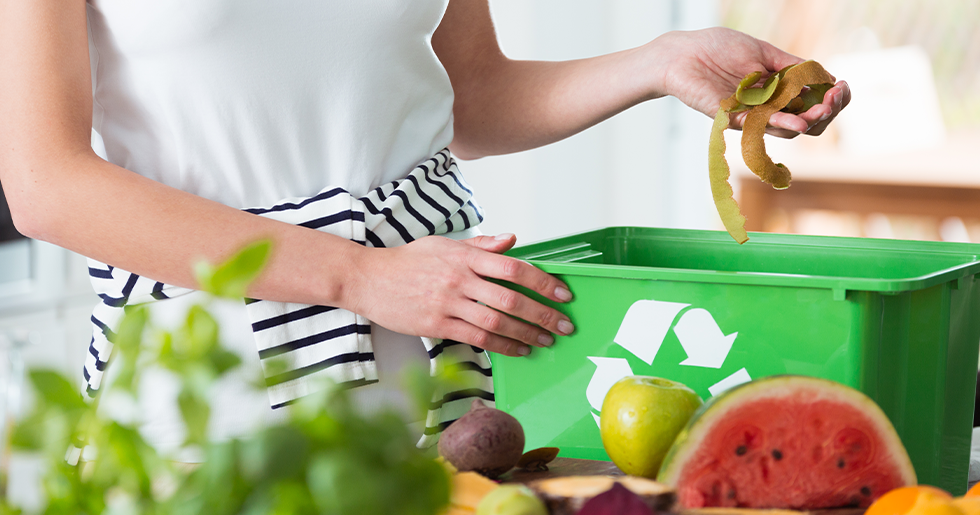
Urban food waste solutions are important as modern cities are facing one of the biggest environmental challenges in the form of food waste. Households discard millions of tons of food annually in the United States alone, most of them coming from everyday kitchen scraps.

Managing food in dense neighborhoods is challenging actually. You can’t even do the traditional composting method in the outdoor space as they don’t have any extra space.

But as you know the popular meme says, “Modern problems require modern solutions.” There are proper solution for reducing food waste even in small spaces by reusing scraps creatively and composting efficiently.

Reason Behind Food Waste Becoming a Major Issue in Cities

It is already established that due to lack of proper space, urban waste management is not possible. Again, organic waste decomposing without oxygen contributes to climate change by producing Methane (CH4), a greenhouse gas.

Here are some common kitchen wastes:
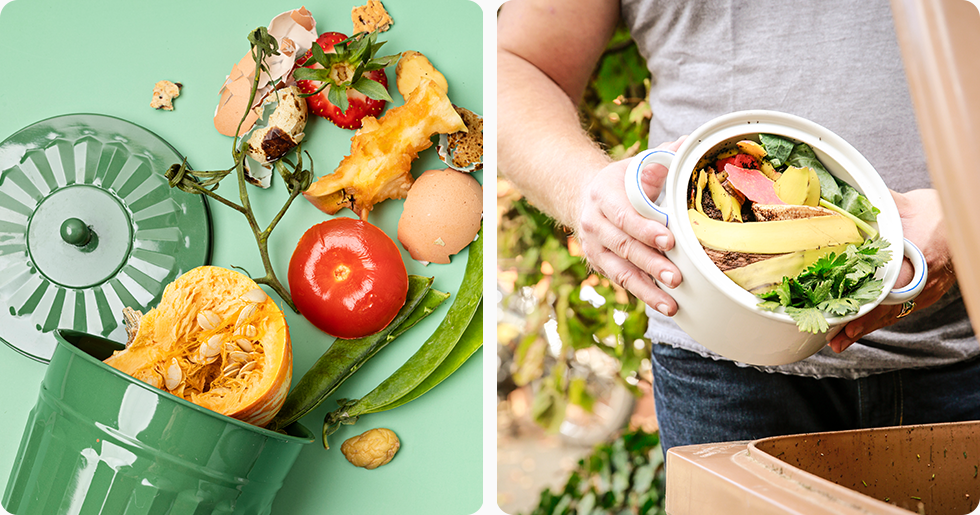
• Fruit peels (bananas, oranges, apples)
• Vegetable scraps (carrot tops, broccoli stems, potato peels)
• Eggshells
• Coffee grounds
• Leftover meals

Most urban households are adapting eco-friendly kitchen habits to turn scraps into useful resources rather than discarding them.

Atomic Habits to Reduce Kitchen Waste

To reduce food waste you don’t have to bring any drastic change; rather you can do that by building small habits.

Tips for effective meal planning:
• Making weekly grocery list before shopping
• Checking fridge to avoid duplicate purchases
• Setting priority according to product shelf life

Proper Food Storage

Storing food correctly is the first step to making food last longer. Airtight containers, vacuum bags or proper refrigeration can come into the scene to reduce spoilage.

Storage Tips:
• Placing older items in the front row to be used first
• Storing fruits and vegetables separately for freshness
• Labelling leftovers with dates for avoiding accidental waste

Repurpose Kitchen Scraps

Fruit and vegetable scraps can be reused by:
• Using peels and stems for making homemade vegetable broth
• Using leftover stems to grow herbs like basil or cilantro
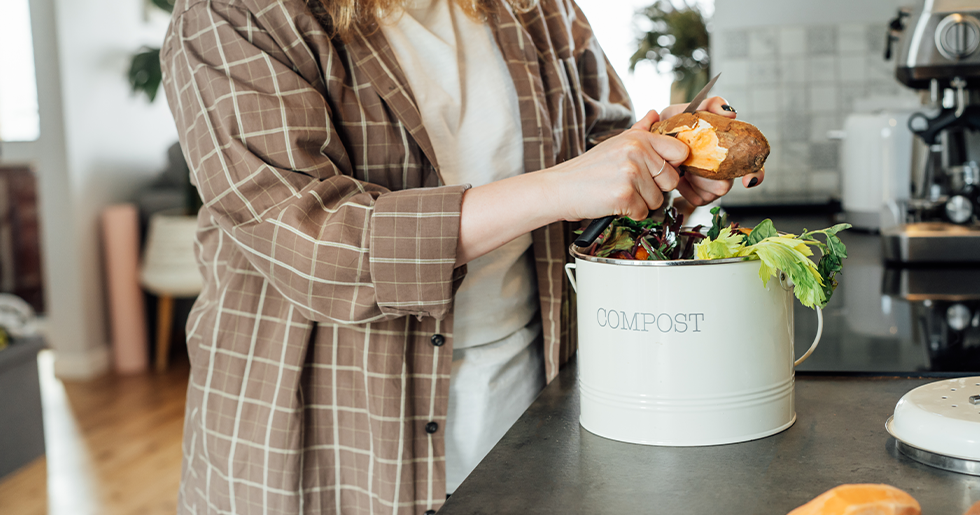
• Adding scraps to compost systems (detailed discussion in the next portion)

Implementing these habits can help compost in small spaces and significantly reduce daily waste.

Composting in Apartments: A Modern Solution

Composting used to be hard to do in apartments, but new solutions make it easier than ever.

Composting Programs in the Community: Many cities have places where people can drop off food scraps for composting. This lets people who live in apartments also compost even if they don’t have a backyard.
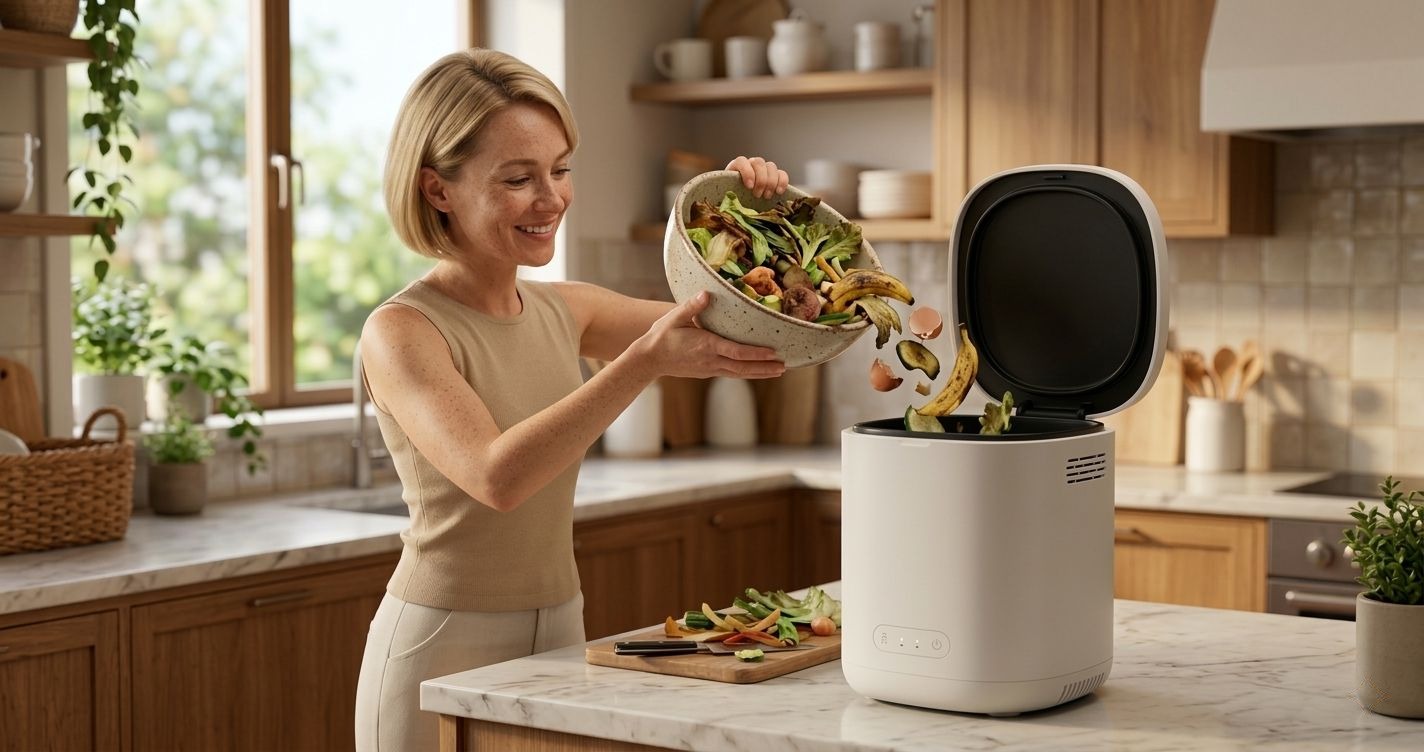
Indoor Composting Solutions: Modern indoor composters let families compost their kitchen waste right in their own homes. Compact appliances are great for small apartments because they dry, grind, or break down scraps quickly

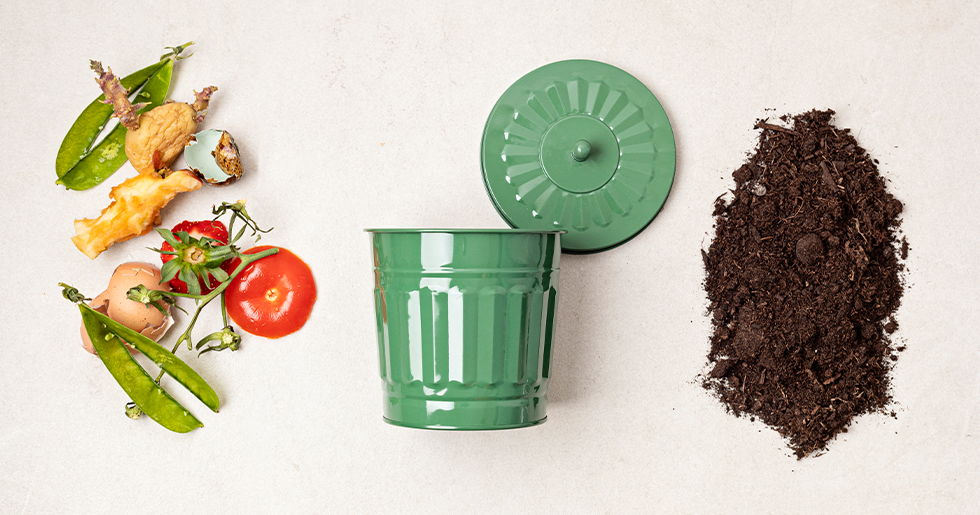
Turn Food Waste into Fertilizer

Indoor Composting Solutions for Small Spaces

Practical solutions for urban household are not a dream anymore, thanks to modern technology. Minimization of odor and storage issues have been taken care of by these compact machines.

Benefits of using indoor composters are:
• 90% food waste reduction
• Minimization of unpleasant kitchen odor
• Easy storage of processed organic material

Urban Food Waste Solutions

Benefits of Composting in City Homes

There are multiple advantages of adopting composting habits:

Reduction of Household Waste: Composting food scraps reduces the volume of garbage that go to the landfills and reduce the was disposal costs.
Keeping Kitchen Clean: If composting done right, it prevents unpleasant odors and keeps kitchens hygienic.
Endorsing a Sustainable Living:  Reusing scraps encourages eco-friendly kitchen habits, cuts down on trash in landfills, and supports sustainability in cities.

Working Procedure of Indoor Composters

Most countertop composters reduce waste volume significantly by drying and grinding food scraps. The output is generally dry organic material that requires some additional natural composting before being added to soil. Indoor composters are ideal for apartments where traditional outdoor composting isn’t feasible due to lack of space. The indoor composters also made transporting scraps to community compost sites or enriching small apartment gardens simple and convenient.

“Nature demands a gift for everything that it gives, so what we have to keep doing, is returning back to the soil, then we’re continuously giving the gifts to nature, because we have a return cycle.”
Geoff Lawton

Small Actions That Make a Big Environmental Impact

People who live in cities often feel like they can’t live in a sustainable manner. But small things you do every day can make a big difference.

Some habits that can create big change include:
• Separating regular waste and food scraps
• Cutting down on waste while cooking
• Using indoor composting systems
Even small changes can help families adopt urban food waste solutions that are better for the environment.

Final Verdict on Building Sustainable Urban Households

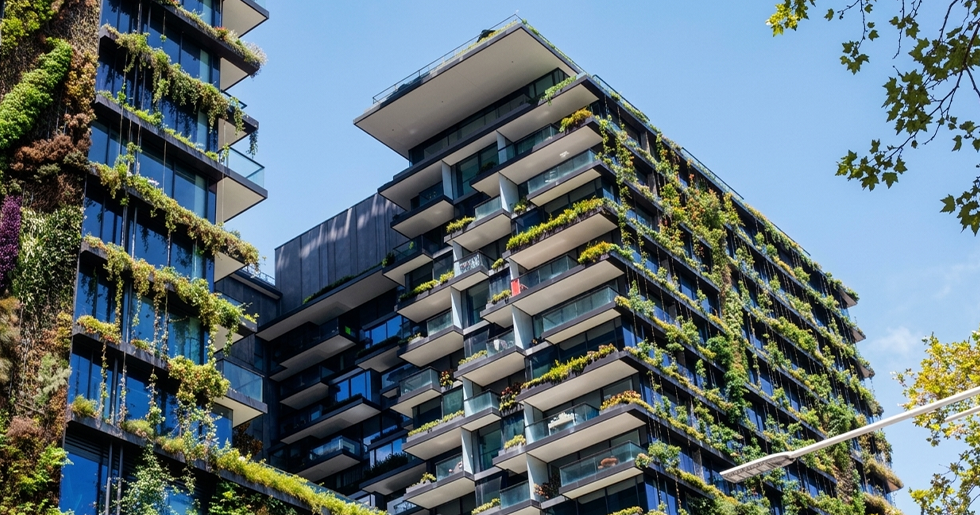
With awareness, small daily habits and modern solution the concrete jungle that we call city can be turned into a green abode.

With proper steps being taken, urban household can:
• Reduce food waste
• Compost waste efficiently even in small spaces
• Practice eco-friendly kitchen habit

Minor adjustments, along with community compost programs and compact indoor composters, can lead to significant environmental benefits.

    Select the fields to be shown. Others will be hidden. Drag and drop to rearrange the order.
    • Image
    • SKU
    • Rating
    • Price
    • Stock
    • Availability
    • Add to cart
    • Description
    • Content
    • Weight
    • Dimensions
    • Additional information
    Click outside to hide the comparison bar
    Compare
    Urban Safe Haven
    Privacy Overview

    This website uses cookies so that we can provide you with the best user experience possible. Cookie information is stored in your browser and performs functions such as recognising you when you return to our website and helping our team to understand which sections of the website you find most interesting and useful.