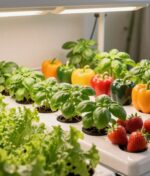
Hydroponics for Beginners: The Complete Guide to Growing Plants Without Soil (2026)
If you’ve ever wanted to grow fresh herbs or vegetables at home but don’t have a garden, hydroponics might be exactly what you’re looking for.
Hydroponics is a modern gardening method that lets you grow plants without soil, using nutrient-rich water instead. It’s clean, efficient, and perfect for apartments or small indoor spaces.
In this beginner-friendly guide, you’ll learn:
- What hydroponics is
- How it works
- What you need to get started
- The best systems for beginners
What is Hydroponics
Hydroponics is a way of growing plants using water mixed with nutrients instead of soil.
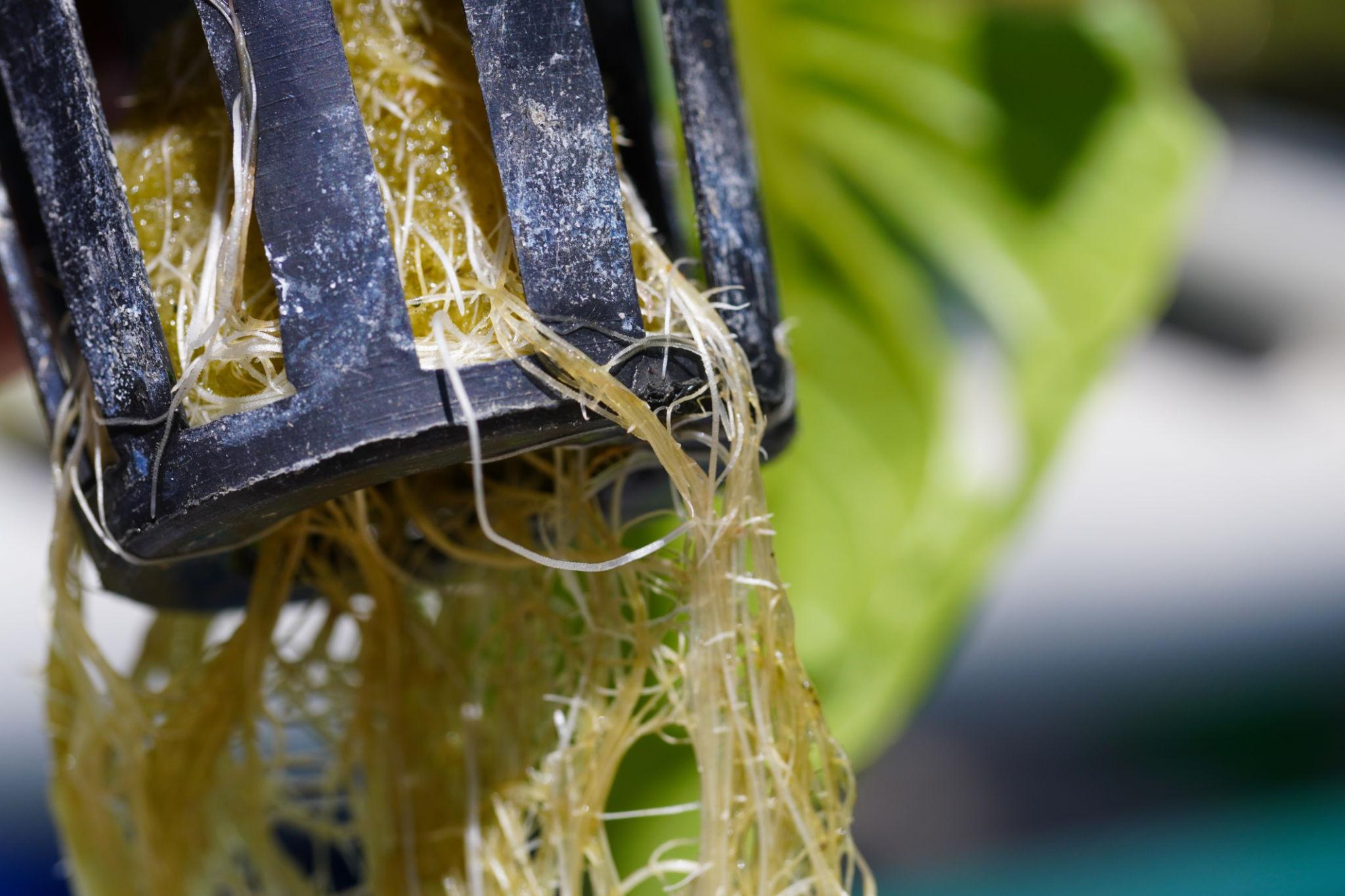
Instead of pulling nutrients from the ground, plant roots absorb everything directly from the water. This leads to faster growth and better control over plant health.
👉 In simple terms:
Hydroponics = Water + Nutrients + Light (No Soil Needed)
How Hydroponics Works
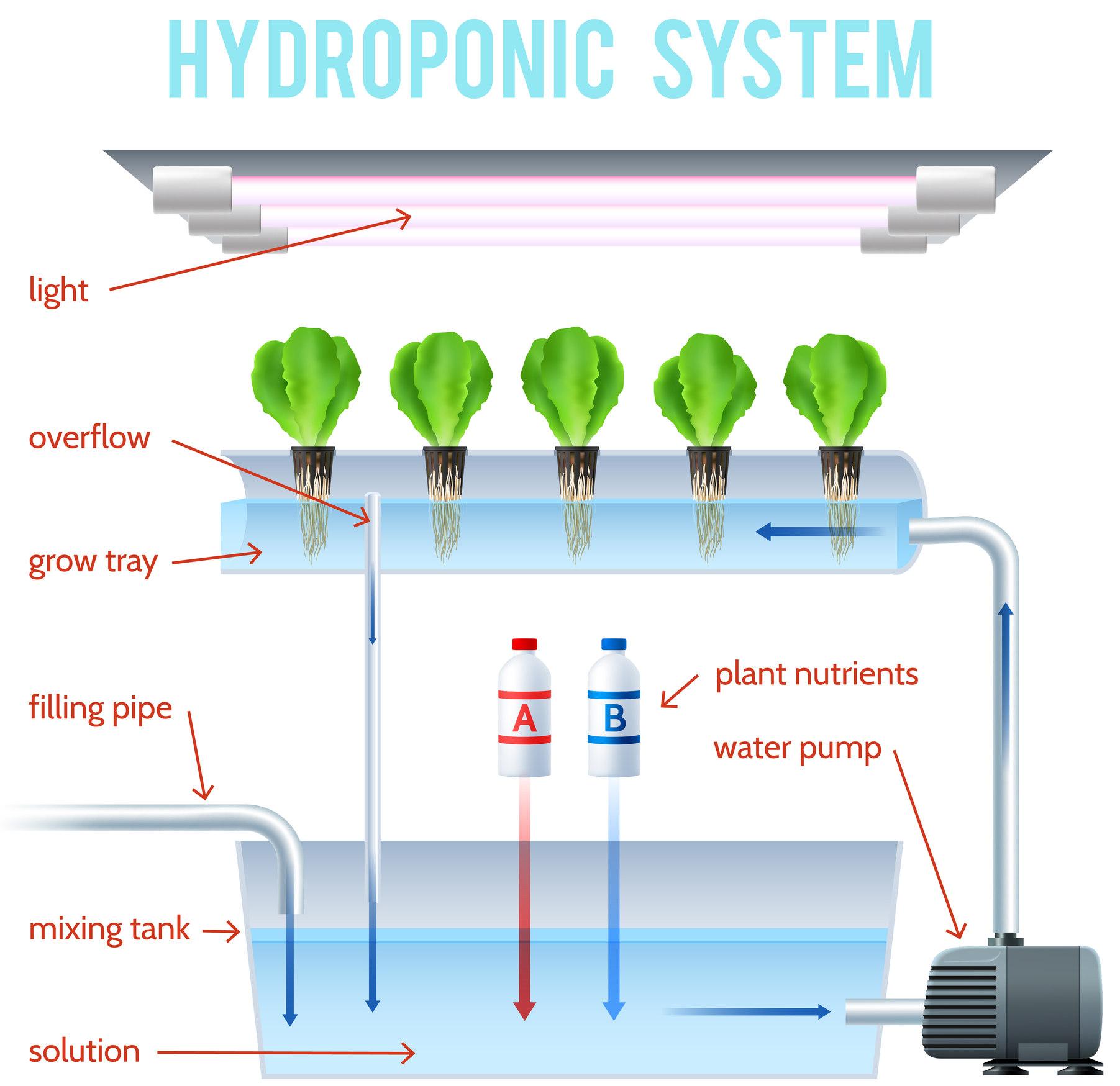
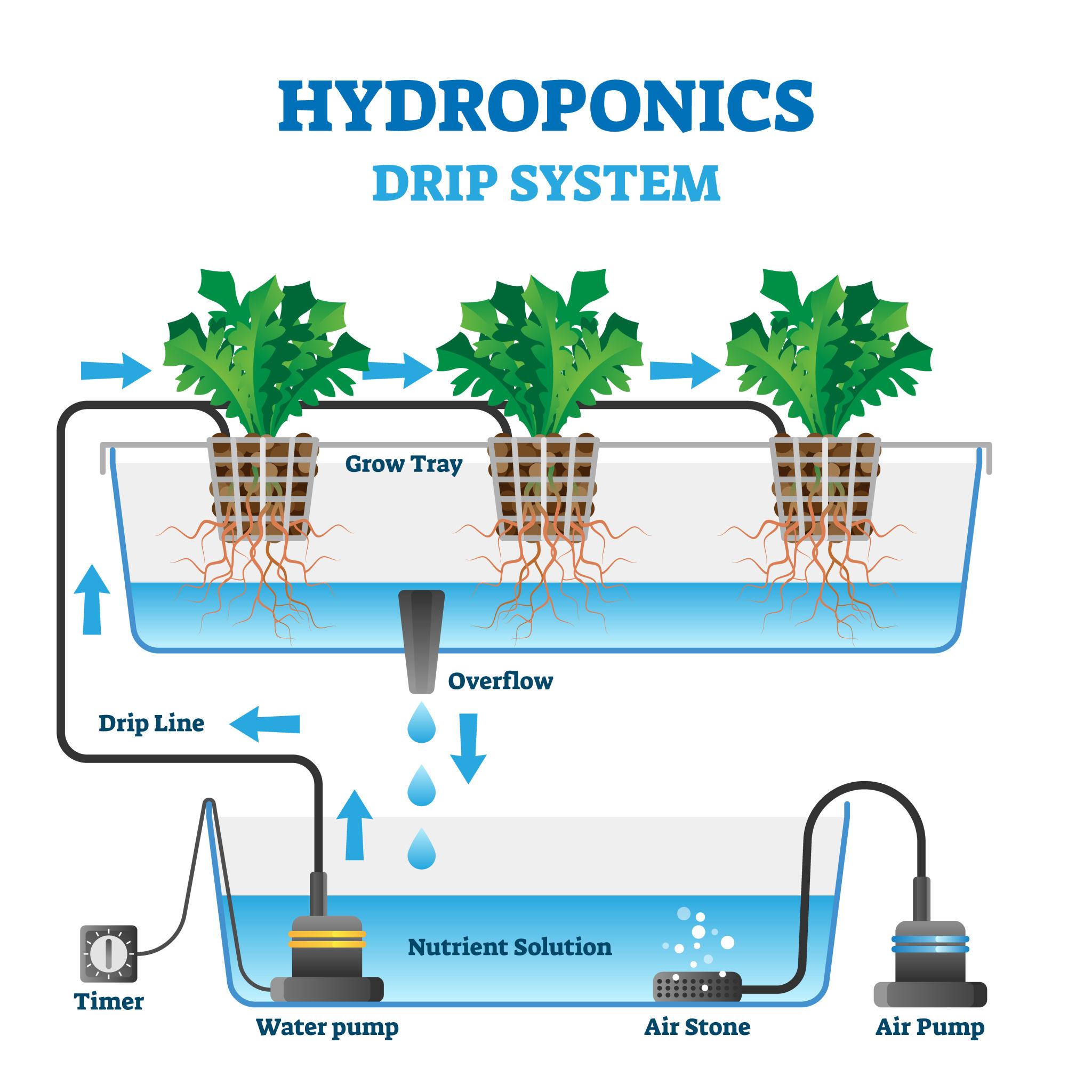
A basic hydroponic system includes:
- A water reservoir (holds nutrient solution)
- A growing medium (supports the plant roots)
- Nutrients (essential minerals for plant growth)
- A light source (sunlight or grow lights)
The roots sit in or near the nutrient solution and absorb everything they need directly, making growth faster and more efficient.
To get the fastest growth and keep your system energy-efficient, I recommend using a Full-Spectrum LED Grow Light. Unlike old-fashioned bulbs, these LEDs stay cool (preventing root heat) and consume very little electricity, making your indoor garden truly sustainable.
Why Choose Hydroponics?
Hydroponics is becoming popular for below reasons:
- ✅ Faster plant growth
- ✅ Uses up to 90% less water than soil gardening
- ✅ No messy dirt indoors
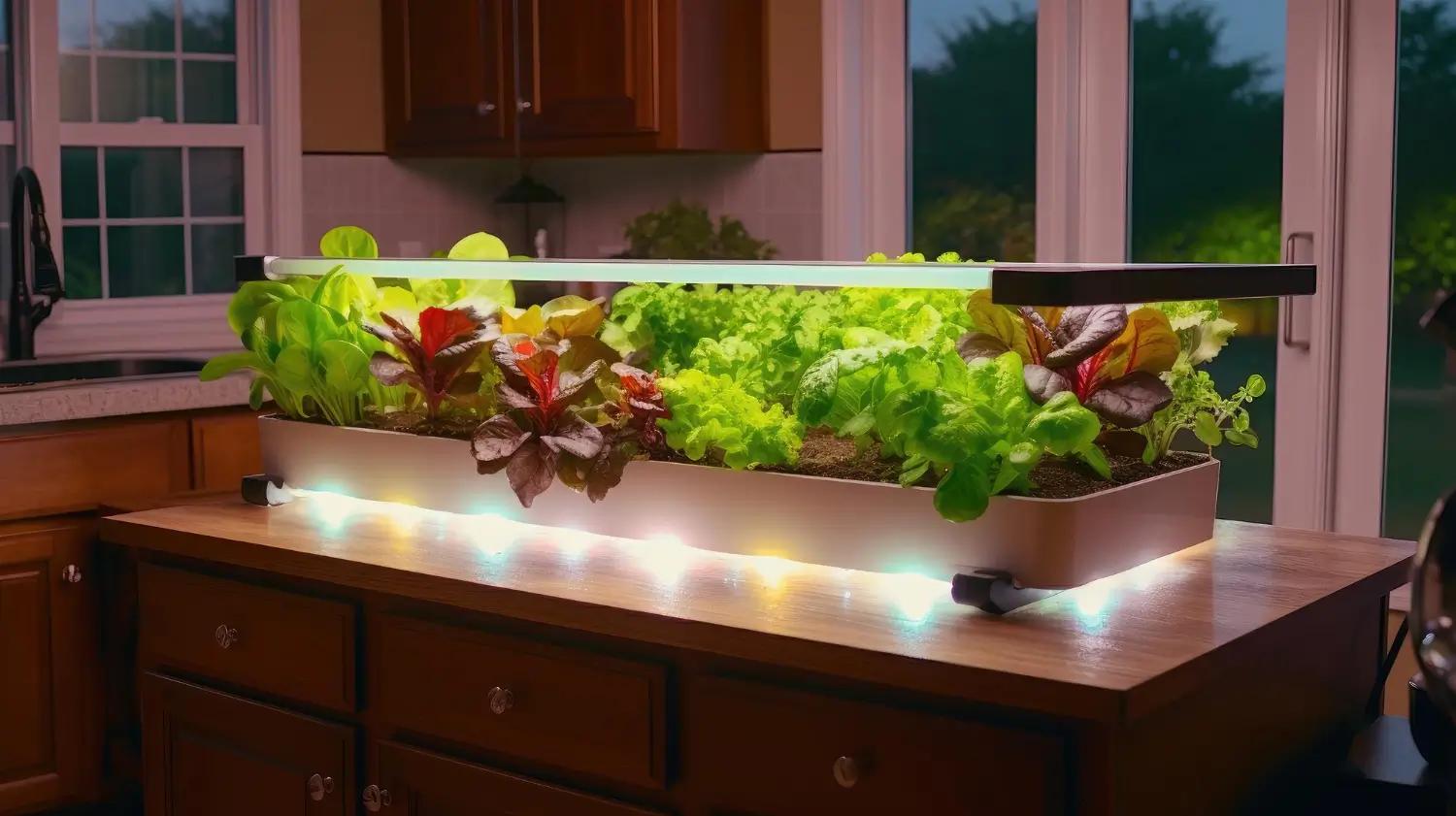
- ✅ Ideal for small apartments
- ✅ Fewer pests and diseases
👉 If you don’t have outdoor space, this is one of the easiest ways to grow fresh food at home.
What Can You Grow Hydroponically?
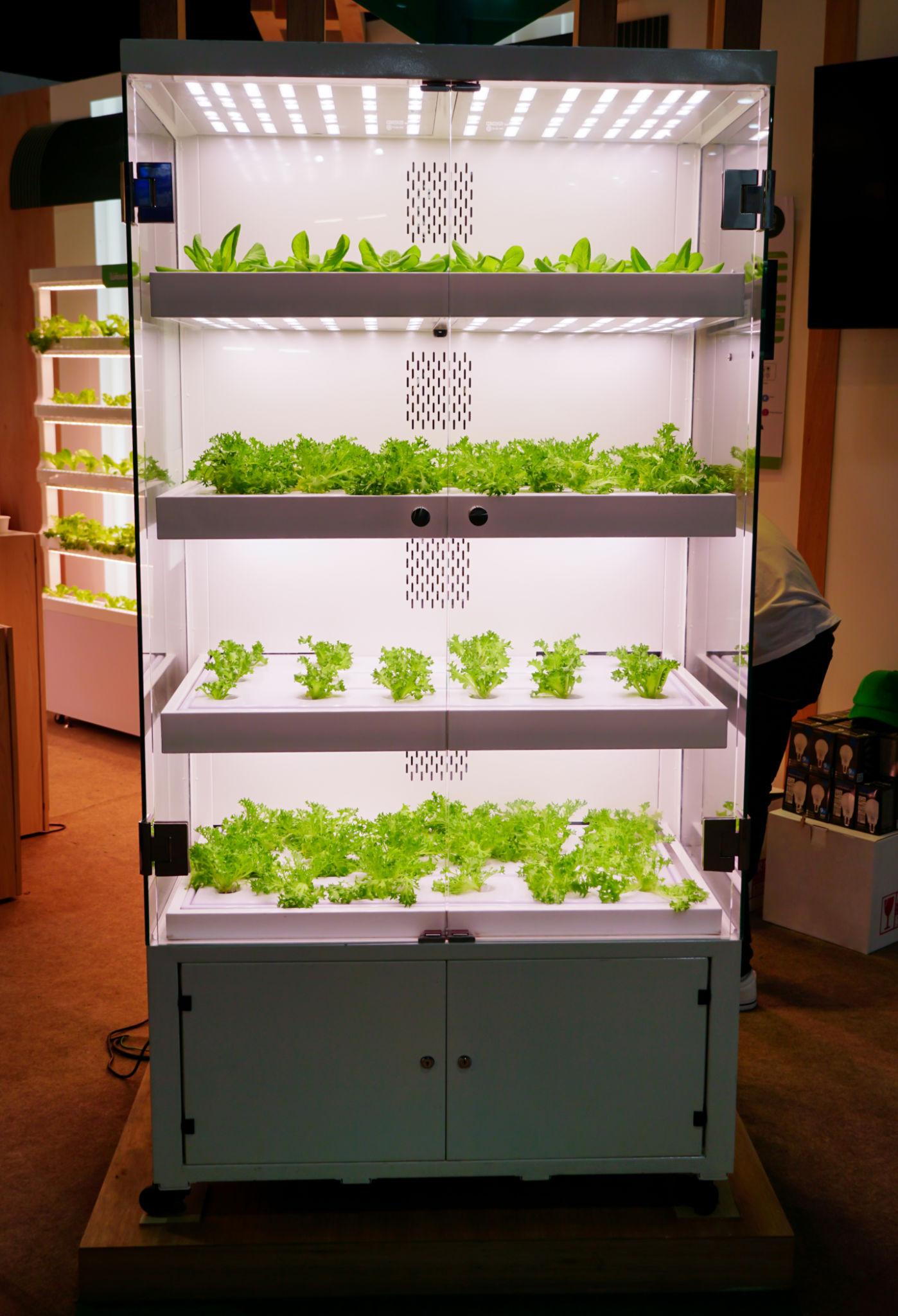
Hydroponics allows you to grow almost anything, but for a vertical or countertop system, efficiency is key. By using a high-efficiency nutrient delivery system, you can harvest fresh produce in half the time it takes in soil.
Best Starter Plants for Beginners:
- Leafy Greens: Lettuce and Spinach are the “kings” of hydroponics. They thrive in water-based systems and you can harvest them leaf-by-leaf for weeks.
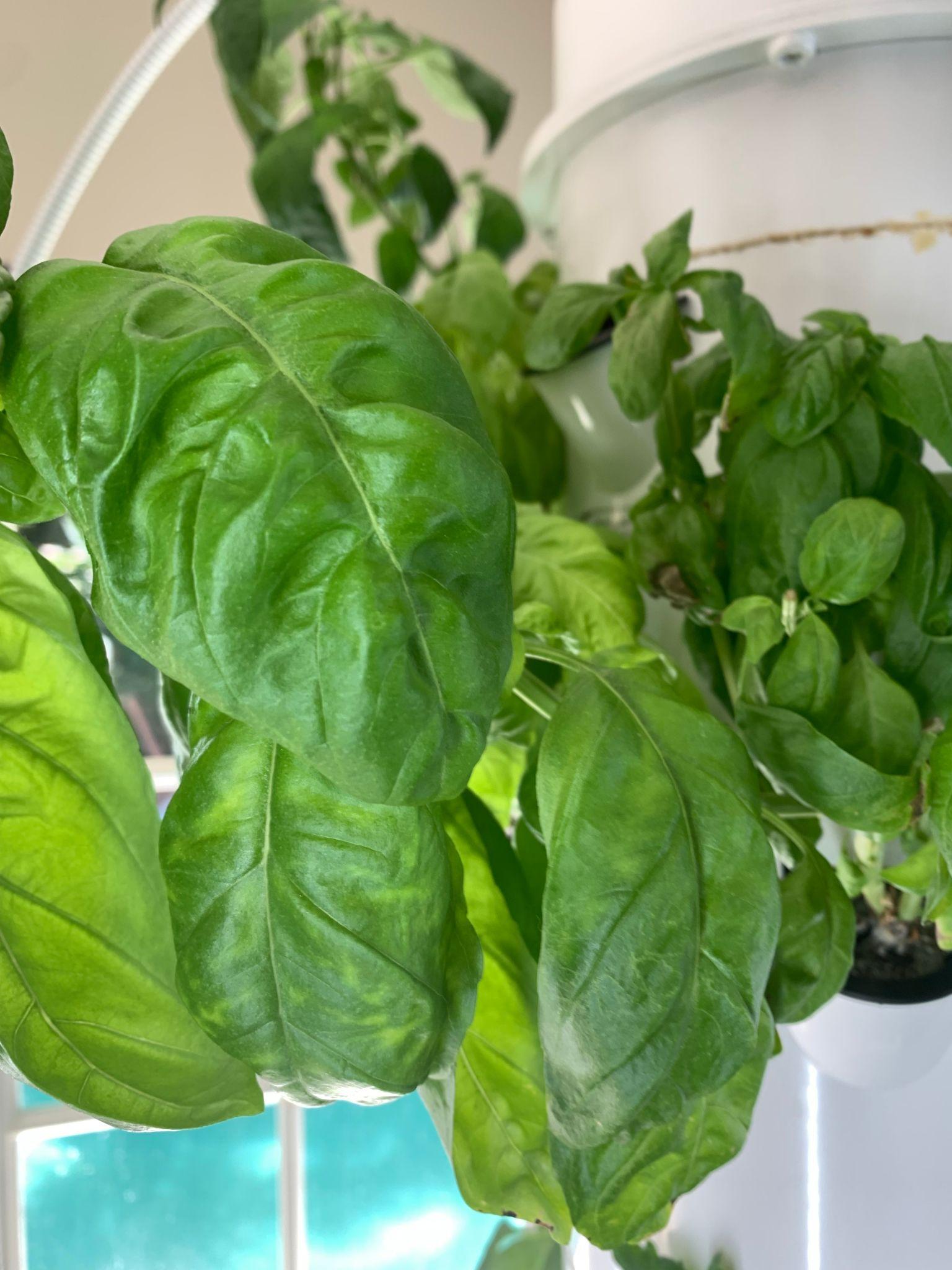
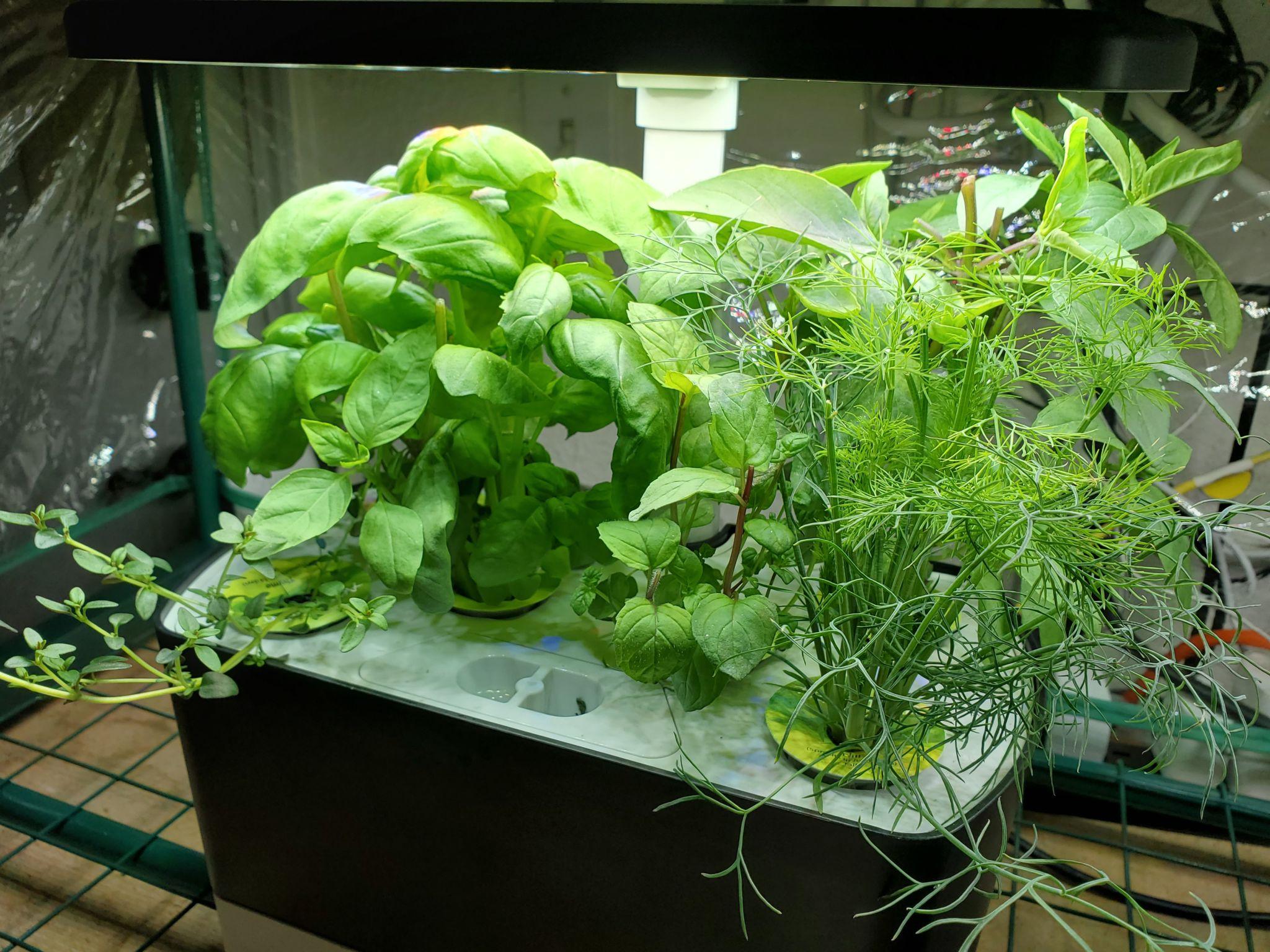
- Gourmet Herbs: Basil and Mint grow like weeds in a hydroponic setup. There is nothing like the smell of fresh Italian Basil in your kitchen!
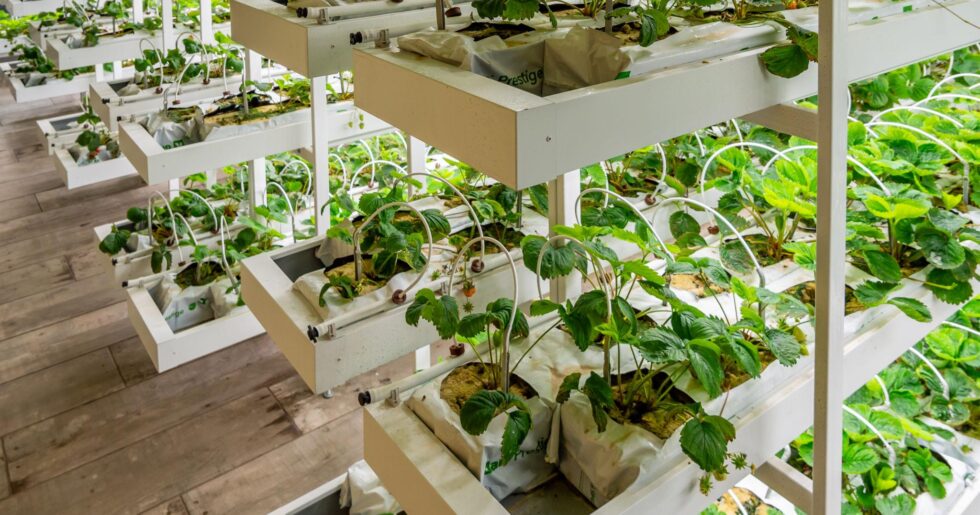
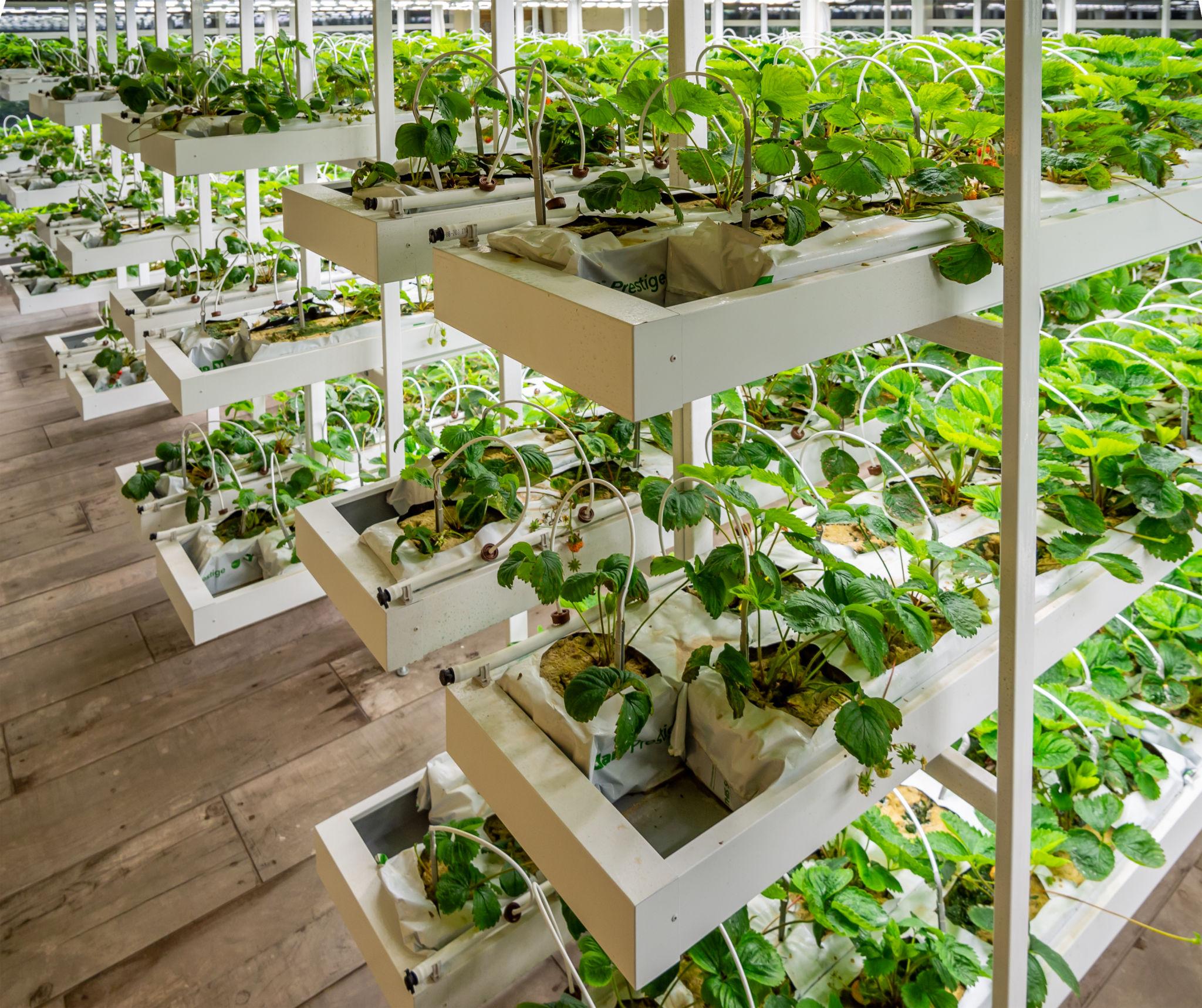
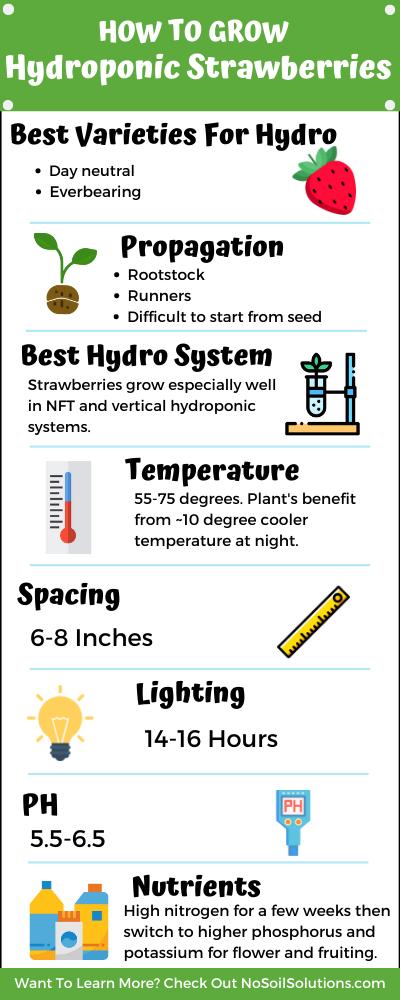
- Sweet Rewards: Strawberries are perfect for vertical towers. Because they are off the ground, they stay clean and are much less likely to rot or get pests.
Pro-Tip: If you are using a vertical system, put your “heavier” plants like strawberries at the bottom and your light herbs like basil at the top to keep the system balanced.
Types of Hydroponic Systems (Beginner-Friendly)
Choosing the right system depends on your space and how much “hands-on” time you want to spend. Here are the three most popular methods for home growers:
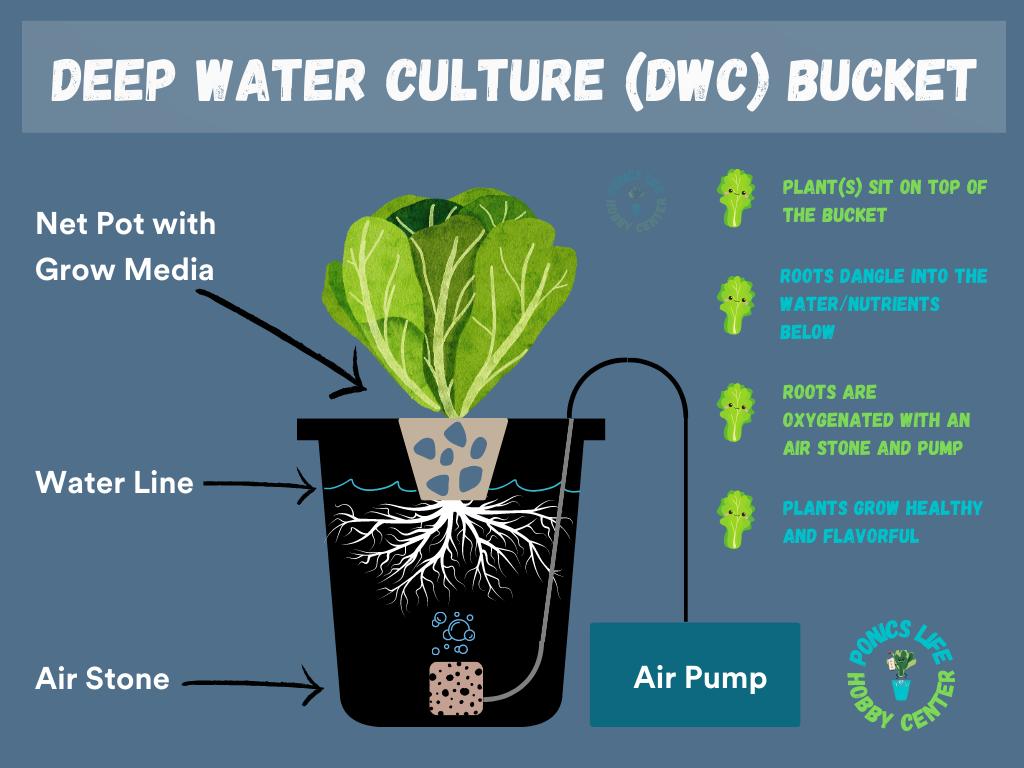
1. Deep Water Culture (DWC)
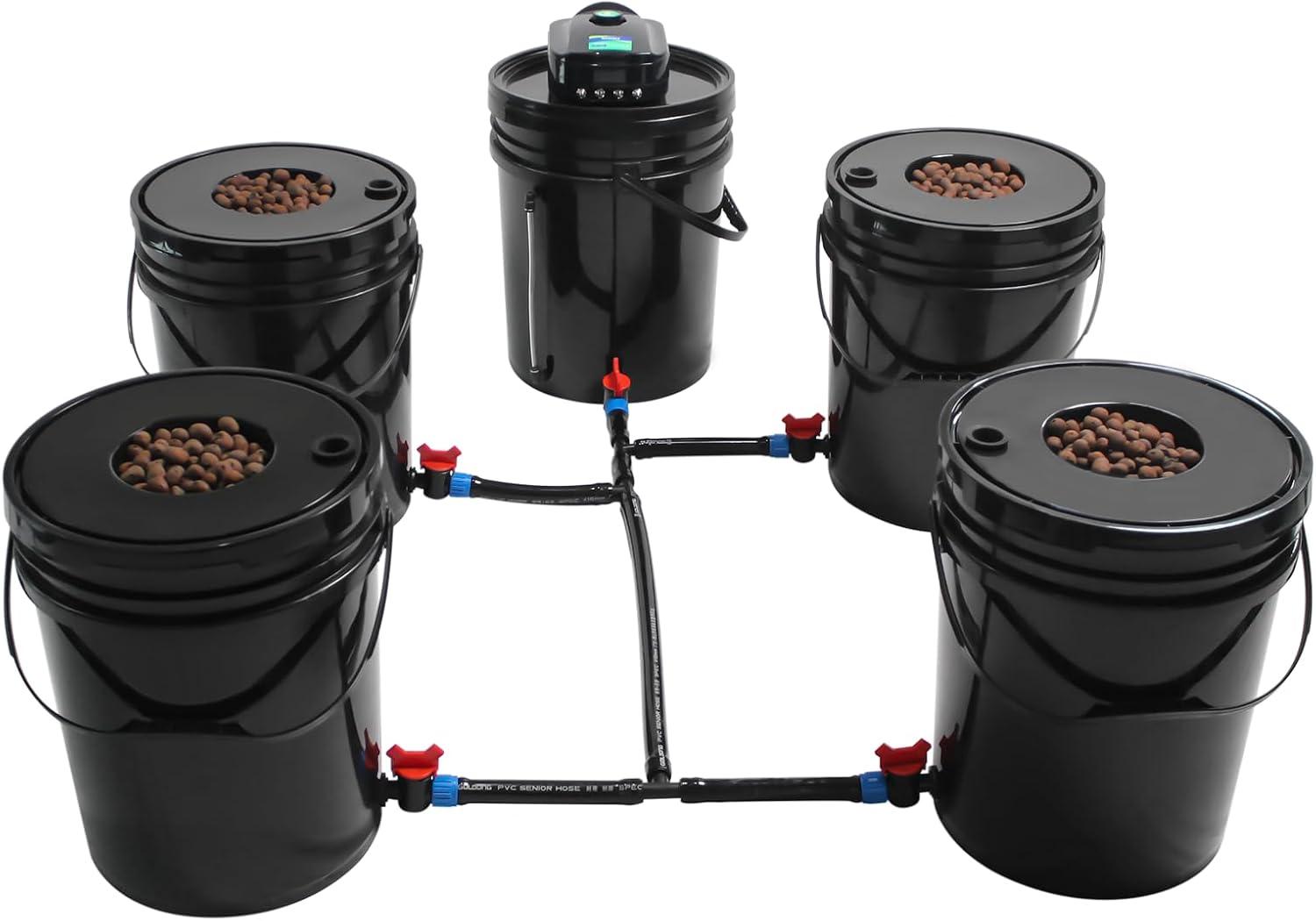
In a DWC setup, the plant roots are suspended in a reservoir of nutrient-rich, highly oxygenated water. It is widely considered the easiest and most affordable way to grow large plants like tomatoes or peppers.
- Why it works: It’s simple, low-maintenance, and great for beginners.
- Example System: The VIVOSUN 5-Gallon DWC Kit is a popular all-in-one setup that includes the bucket, air pump, and specialized clay pebbles to support the roots.
2. Nutrient Film Technique (NFT)
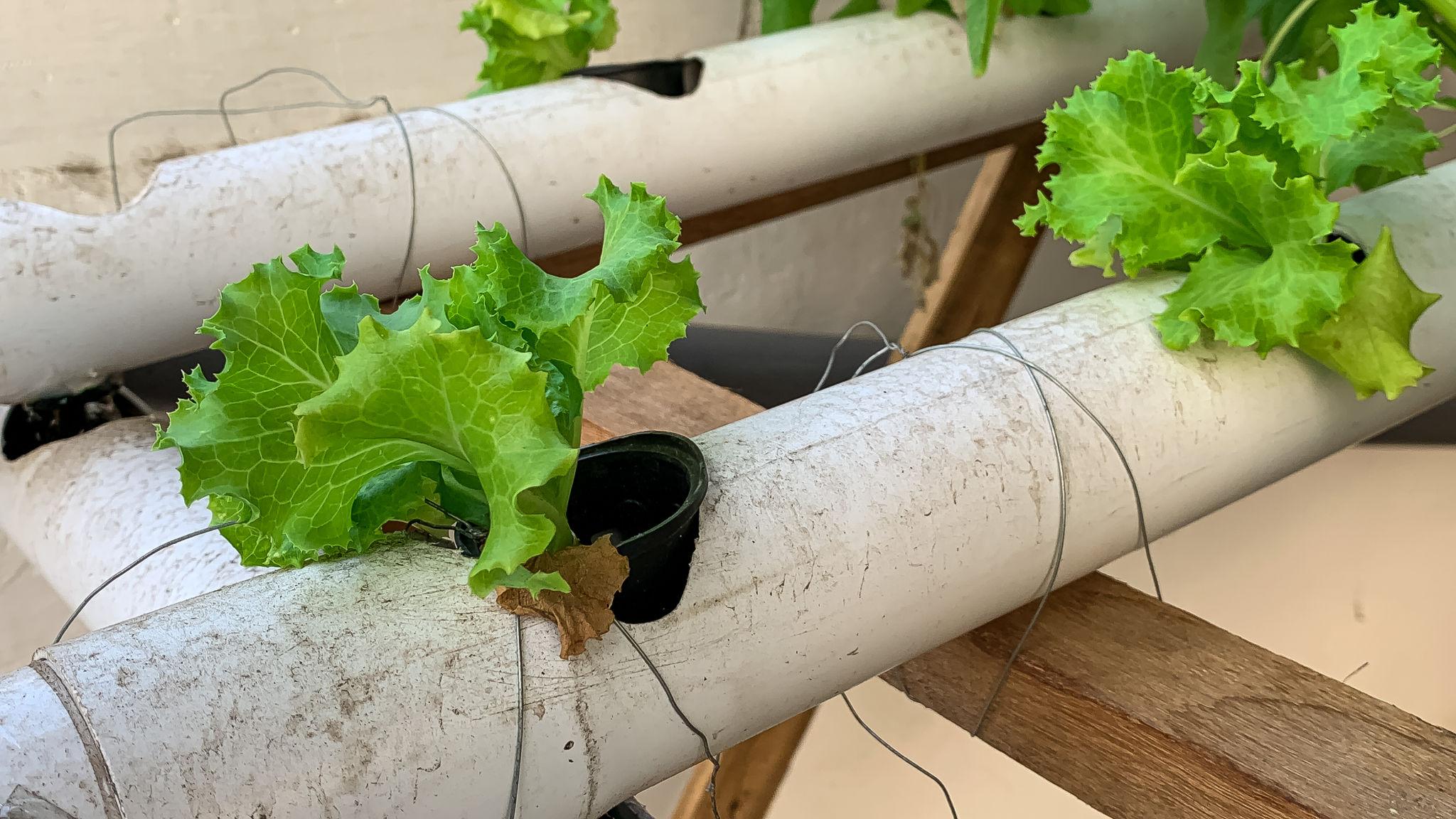
NFT systems use a constant flow of a thin “film” of nutrient solution that runs over the tips of the roots. This method provides an incredible amount of oxygen to the plants, leading to very fast growth.
- Why it works: It is highly efficient and perfect for vertical towers or leafy greens like lettuce.
- Example System: Commercial-style setups like the NFT Gardening Kit allow you to grow dozens of plants in a very small footprint using this method.
3. Wick System
The Wick system is the simplest “passive” method, meaning it uses no electricity, pumps, or motors. A wick (like a piece of rope) pulls water from a reservoir up into the growing medium.
- Why it works: It’s silent and best for small herbs on a windowsill.
- Example System: Many Self-Watering Planters use a wick-based design, making them perfect for busy people who want fresh basil without the tech.
What You Need to Get Started
You don’t need a complex setup to begin. Here are the basics:
- Hydroponic container or system
- Nutrient solution
- Grow light (for indoor growing)
- Seeds or seedlings
👉 If you want the easiest way to start, beginner hydroponic kits already include everything — lights, pump, and nutrients — so you don’t have to figure things out separately.
For example, systems like AeroGarden Harvest or iDOO Hydroponics Growing System are designed specifically for beginners and can be set up in minutes.
The “Fuel” for Your Plants: Hydroponic Nutrients
Think of nutrients as the “food” your plants eat. Since there is no soil to provide minerals, you must add a liquid or water-soluble solution to your water reservoir.
Recommended Nutrients for Success:
The Gold Standard: [General Hydroponics FloraSeries] — This is a legendary 3-bottle system (Gro, Bloom, Micro) used by hobbyists and pros alike. It allows you to customize the mix as your plants move from tiny seedlings to massive harvests.
The Easy Refill: [AeroGarden Liquid Plant Food] — If you are using a countertop kit, this is the simplest “one-bottle” solution. It’s pH-buffered, meaning it helps keep your water chemistry stable without extra work.
The Eco-Pro Choice: [Masterblend 4-18-38 Complete Combo Kit] — For those looking for the most cost-effective way to grow a lot of food (like a “prepper” or high-volume gardener), this dry mix is a favorite for its incredible value and results.
Pro-Tip: Always follow the mixing instructions! Adding too much “food” can actually burn your plant’s roots. Start with a half-strength dose for young seedlings.
Common Beginner Mistakes to Avoid
Every gardener faces a learning curve, but in hydroponics, most issues come down to the environment. Here is how to keep your system thriving:
- Overfeeding: Adding too many nutrients can “burn” the roots. It’s always better to start with half the recommended dose.
- Ignoring Water pH: This is the #1 reason plants die. If the water is too acidic or too alkaline, the roots literally “lock out” and cannot drink, even if the water is full of food.
The Solution: Using a simple Digital pH Meter allows you to check your water in seconds. It’s a small investment that prevents you from losing your entire harvest to a simple chemistry imbalance. - Insufficient Light: If your plants look “leggy” (tall and thin), they are reaching for light. Ensure your LED panels are close enough to the leaves.
- Stagnant Water: Forgetting to change your reservoir water can lead to algae and root rot. Aim for a full water change every 2–3 weeks.
Is Hydroponics Worth It for Beginners?
Yes — especially if you:
- Live in an apartment
- Want fresh herbs year-round
- Prefer a clean, low-maintenance gardening method
Hydroponics removes many of the traditional challenges of gardening and makes growing plants accessible to almost anyone.
What to Do Next
Now that you understand how hydroponics works, the next step is choosing the right system.
👉 Next guide to read:
Best Hydroponic Systems for Beginners (Complete Buying Guide)
Final Thoughts
Hydroponics might seem complicated at first, but it’s actually one of the easiest ways to start gardening — especially indoors.
Start small, choose the right system, and you’ll be growing fresh food at home sooner than you think.