15 Best Plants for Hydroponics: The Ultimate 2026 Beginner Guide
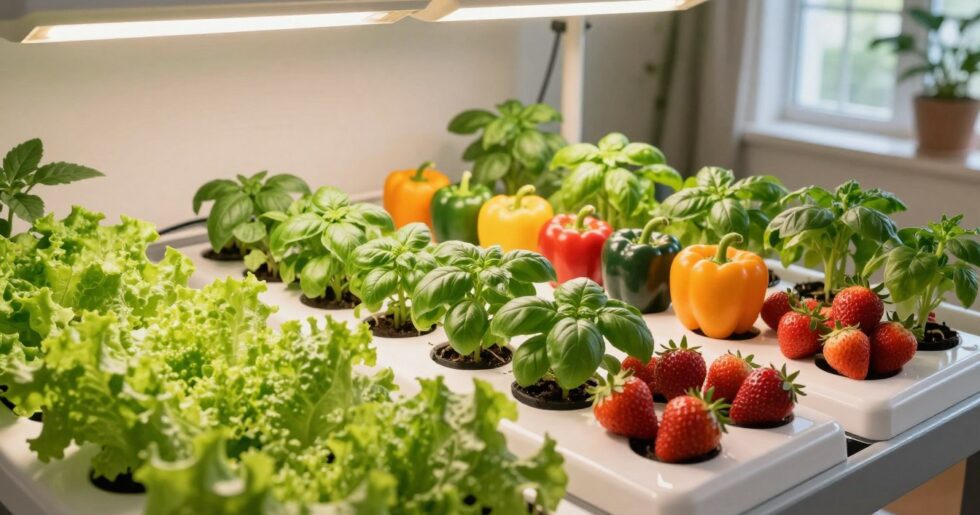
If you want to see quick results, leafy greens are widely considered the best plants for hydroponics because they adapt well to water-based environments. If you are just starting out, check out my first blog post, Hydroponics for Beginners: The Complete Guide to Growing Plants Without Soil (2026), to help you set up your system for success. You will find that these plants require very little maintenance to thrive.
Leafy Greens for Rapid Harvests
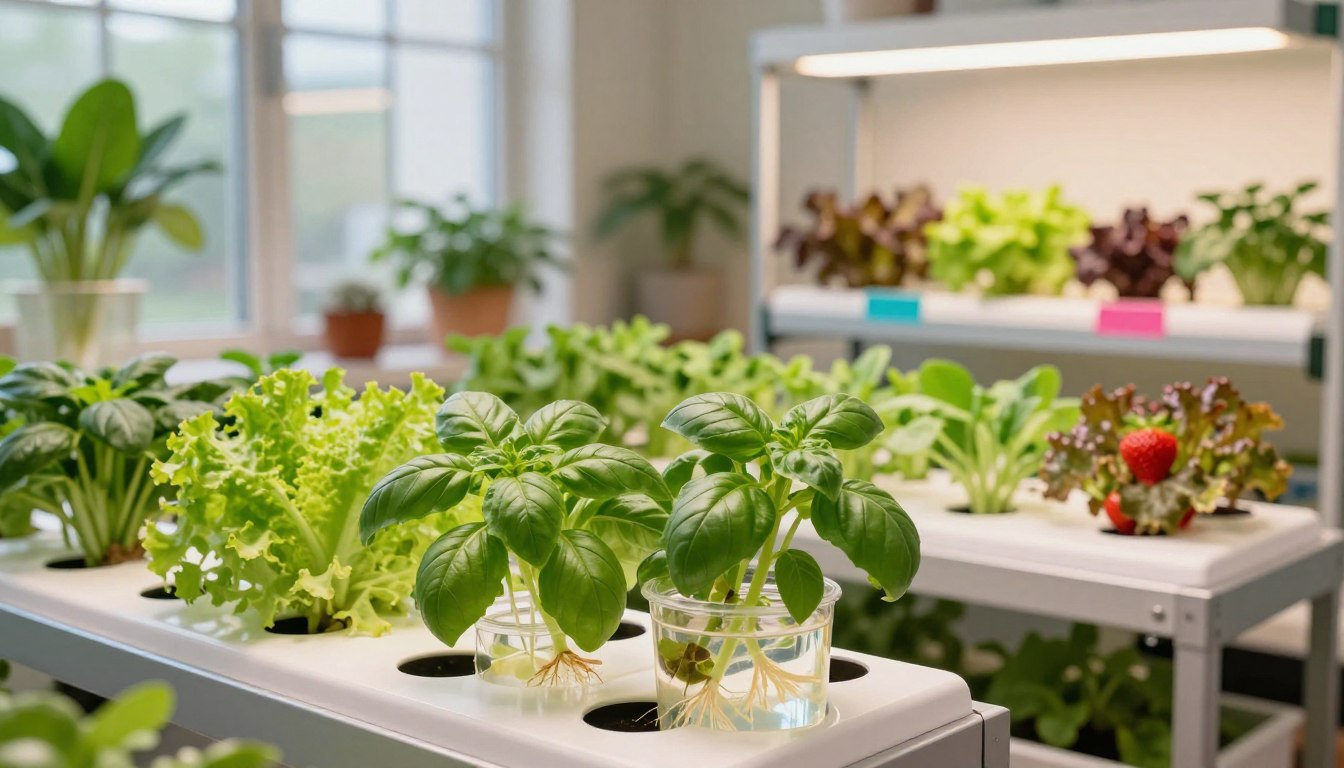
The process of growing leafy greens hydroponically is incredibly rewarding for those new to the hobby. Because these plants do not need to develop complex root systems for soil stability, they focus their energy on leaf production. This results in a continuous supply of fresh, nutrient-dense produce right in your kitchen.
Lettuce Varieties
Lettuce is arguably the most popular choice for any indoor setup. Varieties like Butterhead and Romaine grow exceptionally fast in water. You can harvest individual leaves as needed, allowing the plant to keep producing for several weeks.
Spinach and Arugula
Spinach and arugula are excellent choices if you enjoy peppery or mild greens in your salads. These easy hydroponic crops prefer slightly cooler temperatures to prevent bolting. When kept in the right conditions, they provide a harvest in as little as four to six weeks.
Kale and Swiss Chard
For those seeking more robust greens, kale and Swiss chard are fantastic options. These plants are highly resilient and can handle minor fluctuations in your nutrient solution. They add a beautiful pop of color to your indoor garden while providing a steady harvest of hearty leaves.
| Plant Variety | Growth Speed | Light Requirement | Difficulty Level |
|---|---|---|---|
| Lettuce | Fast | Moderate | Beginner |
| Arugula | Very Fast | Low | Beginner |
| Spinach | Moderate | Moderate | Easy |
| Kale | Slow | High | Easy |
Herbs That Thrive in Water Systems
When looking for the best plants for hydroponics, herbs are incredibly well-suited for water-based systems because they grow quickly and provide constant harvests. These plants offer high culinary value, making them a favorite for home cooks who want fresh ingredients year-round. By following a few simple hydroponic herb garden tips, you can ensure your indoor setup remains productive and healthy.
“The secret to a thriving indoor garden is not just the water, but the love and attention you give to the light and nutrient balance of your plants.”
Basil and Its Many Varieties
Basil is arguably the most popular choice for beginners due to its rapid growth rate. Whether you prefer sweet Genovese, Thai, or lemon basil, these plants love warm temperatures and plenty of light. Proper spacing is essential to prevent overcrowding, so aim for at least six inches between each plant to allow for adequate airflow.
Mint and Cilantro
Mint is a vigorous grower that can quickly take over a system if not managed correctly. It thrives in almost any hydroponic setup, but it prefers slightly cooler temperatures than basil. Cilantro, on the other hand, can be a bit more sensitive to heat and may bolt if the environment becomes too warm. Harvesting these herbs frequently encourages bushier growth and prevents the plants from becoming leggy.
Parsley and Chives
Parsley and chives are excellent additions to your collection because they are low-maintenance and highly resilient. Parsley grows best when it has consistent access to light, while chives are incredibly hardy and can handle minor fluctuations in your nutrient solution. Applying consistent hydroponic herb garden tips, such as regular pruning, will help these herbs maintain a long, healthy lifespan in your indoor garden.
Fruiting Vegetables for Intermediate Success
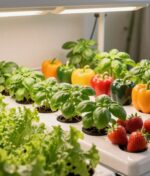
Once you have mastered leafy greens, the next step in finding the best plants for hydroponics involves exploring fruiting vegetables like tomatoes and peppers. These plants require more space and specific nutrient profiles compared to simple herbs. Because they produce heavy yields, you must provide sturdy structural support for their vines to prevent breakage.
Pollination is another critical factor you cannot overlook. Since indoor environments lack natural pollinators like bees, you will need to gently shake the plants or use a small brush to ensure fruit set. Successful hydroponic vegetable gardening at this level requires careful attention to environmental stability and consistent nutrient delivery.
Cherry Tomatoes
Cherry tomatoes are a favorite for indoor growers because they are prolific producers. They thrive in systems that offer plenty of root space and high-intensity light. Proper pruning is essential to keep the plant focused on fruit production rather than excessive foliage growth.
“The secret to a bountiful harvest lies in the balance between light, nutrients, and the love you pour into your garden daily.”
Bell Peppers
Bell peppers are a rewarding addition to any indoor setup, though they demand a bit more patience. These plants prefer warmer temperatures and steady light cycles to develop their signature sweetness. Engaging in hydroponic vegetable gardening with peppers means keeping a close eye on pH levels to ensure the plant absorbs all necessary minerals.
Hot Chili Peppers
If you enjoy a bit of heat, chili peppers are surprisingly well-suited for indoor systems. They are generally more compact than bell peppers, making them ideal for smaller spaces. Consistent moisture and high-quality grow lights will help you achieve a spicy, abundant harvest throughout the year.
Root Vegetables and Unique Hydroponic Crops
Hydroponic vegetable gardening is not limited to leafy greens and herbs; root crops can also thrive in your system. While many beginners assume these plants require soil, you can achieve excellent results by managing your environment carefully. While often overlooked, certain root crops are actually among the best plants for hydroponics for those looking to diversify their indoor harvest.
The key to success lies in choosing the right growing medium and ensuring your containers provide enough depth. Proper aeration is essential to prevent the root zone from becoming waterlogged, which is the primary cause of rot in these systems.
Radishes
Radishes are arguably the fastest crop you can grow in a water-based system. Because they mature in as little as three to four weeks, they are perfect for testing your skills with hydroponic root vegetables. Ensure your container is deep enough to allow the bulb to expand without hitting the bottom of the net pot.
Green Onions
Green onions are incredibly resilient and adapt well to various hydroponic setups. You can easily regrow them from store-bought scraps, making them a cost-effective addition to your garden. They require very little maintenance, provided you keep the water level just below the base of the bulb to encourage healthy root development.
Bok Choy
Bok Choy is a versatile crop that bridges the gap between leafy greens and more substantial vegetables. It thrives in a controlled environment where you can monitor nutrient levels closely. By maintaining a consistent flow of oxygen to the roots, you will prevent common issues like stem rot and ensure a crisp, flavorful harvest.
Managing Nutrient Solutions and pH Levels
Mastering your water chemistry is the secret to a thriving indoor garden. Since your plants do not have soil to draw minerals from, they rely entirely on the liquid environment you provide. Effective nutrient solution management ensures that your crops receive the exact fuel they need to grow strong and healthy.
The Importance of Nutrient Balance
Plants require a specific blend of macro and micronutrients to flourish. When you select the best hydroponic nutrients, look for formulas that match the specific growth stage of your plants. Seedlings often need a lighter concentration, while mature plants require a more robust mix to support fruit and flower production.
Using high-quality, water-soluble fertilizers prevents mineral deficiencies that can stunt growth. Consistency is key when mixing your reservoir. Always follow the manufacturer’s instructions to avoid burning your plants with an overly concentrated solution.
Monitoring and Adjusting pH for Optimal Growth
Even with the perfect nutrient mix, your plants will struggle if the water is too acidic or alkaline. Maintaining proper hydroponic pH levels is essential because it dictates how easily roots can absorb minerals. If the pH drifts outside the ideal range, your plants may suffer from nutrient lockout.
Most hydroponic crops thrive in a slightly acidic environment, typically between 5.5 and 6.5. You should use a digital meter or a simple test kit to check your water daily. If the levels are off, use pH-up or pH-down solutions to bring the water back into the safe zone.
| Growth Stage | Ideal pH Range | Nutrient Strength |
|---|---|---|
| Seedling | 5.5 – 5.8 | Low |
| Vegetative | 5.8 – 6.2 | Medium |
| Build Quality | Premium | Good |
| Flowering | 6.0 – 6.5 | High |
Regularly checking these metrics will help you catch problems before they impact your harvest. By staying proactive with your hydroponic pH levels and choosing the best hydroponic nutrients, you create a stable home for your plants. Proper nutrient solution management is truly the difference between a struggling setup and a bountiful indoor garden.
Lighting Requirements for Indoor Hydroponic Systems
Mastering the art of indoor lighting is the secret to transforming a basic hydroponic setup into a thriving, high-yield garden. Light serves as the primary energy source for your plants, acting as the engine that drives photosynthesis. Following this indoor plant lighting guide will help you provide the perfect environment for your crops to flourish.
Choosing Between LED and Fluorescent Grow Lights
When selecting your equipment, you will likely choose between LED and fluorescent options. LED grow lights for plants have become the industry standard due to their incredible energy efficiency and long lifespan. They produce very little heat, which prevents your nutrient solution from warming up too much.
Fluorescent lights, such as T5 bulbs, are a budget-friendly alternative for beginners. While they are effective for leafy greens and herbs, they often lack the intensity required for fruiting vegetables. Consider these key differences when making your purchase:
- LEDs: Offer a full-spectrum light that mimics natural sunlight, promoting faster growth.
- Fluorescents: Provide a cooler light source, ideal for seedlings and low-light plants.
- Efficiency: LEDs consume significantly less electricity over time compared to traditional bulbs.
Setting Up Light Cycles for Different Plant Stages
Plants require a consistent rhythm to grow, which is why establishing proper hydroponic lighting cycles is vital. You should use a mechanical or digital timer to automate these periods, ensuring your plants receive a reliable schedule every single day. Consistency prevents stress and encourages healthy development.
Most leafy greens and herbs thrive with 14 to 16 hours of light per day. Fruiting plants, such as tomatoes or peppers, often require a slightly different approach to trigger flowering. You can adjust your hydroponic lighting cycles based on the specific needs of your crop:
| Plant Type | Light Hours | Dark Hours |
| Leafy Greens | 14-16 Hours | 8-10 Hours |
| Herbs | 12-14 Hours | 10-12 Hours |
| Fruiting Crops | 16-18 Hours | 6-8 Hours |
Proper light management is the best way to prevent leggy, weak stems. By mimicking natural day-night patterns, you ensure your plants reach their full potential. Always keep your lights at the recommended distance to avoid burning delicate leaves.
Common Troubleshooting Tips for New Growers
Mastering the art of troubleshooting is essential for anyone looking to maintain a thriving indoor garden. Even the most experienced growers encounter challenges, and knowing how to address them is a vital part of hydroponic system maintenance. By staying proactive, you can resolve minor issues before they impact the health of your entire crop.
Preventing Algae Growth in Reservoirs
Algae thrive in environments where light, water, and nutrients meet. To succeed at preventing algae in hydroponics, you must ensure your reservoir is completely light-proof. Any light exposure can trigger rapid growth, which competes with your plants for essential nutrients.
Regularly cleaning your equipment is another cornerstone of effective hydroponic system maintenance. If you notice a green film forming on your tubing or reservoir walls, scrub it away immediately. Using opaque containers or wrapping your reservoir in reflective material will help keep your water clean and clear.
Managing Temperature and Humidity Fluctuations
Plants are sensitive to their environment, making hydroponic temperature control a top priority for every grower. When water temperatures rise too high, oxygen levels drop, which can lead to root rot. Keeping your reservoir in a cool, shaded area helps maintain a stable environment for your roots.
Humidity levels also play a significant role in plant health. High humidity can invite pests or mold, while low humidity might cause your plants to dry out. Consistent hydroponic temperature control and proper ventilation will keep your indoor garden flourishing throughout the year.
Conclusion
Building a water-based garden transforms your living space into a productive oasis. You gain the ability to harvest fresh greens and herbs right from your kitchen counter.
Mastering indoor gardening for beginners requires a blend of curiosity and routine maintenance. Small adjustments to your nutrient mix or light cycle lead to significant improvements in plant health.
Understanding the best plants for hydroponics is just the first step toward a successful, high-yield indoor garden. You will discover unique ways to optimize your setup as you gain experience with different crop varieties.
Brands like General Hydroponics provide reliable tools to support your growth. You possess the knowledge to troubleshoot common issues and maintain a thriving environment for your plants.
Share your progress with fellow growers to learn new techniques. Your dedication to this craft ensures a steady supply of nutritious food throughout the year.
Frequently Asked Questions
What are the absolute easiest plants to start with in a hydroponic system?
If you are diving into indoor gardening for beginners, we highly recommend starting with leafy greens like Lettuce, Spinach, and Arugula. These varieties are among the best plants for hydroponics because they grow incredibly fast and are very forgiving if your nutrient solution isn’t perfect right away. Systems like the AeroGarden Harvest make growing these greens virtually foolproof.
Do I really need to use LED grow lights for my indoor garden?
While you can use fluorescent grow lights, modern LED grow lights from brands like Mars Hydro or Spider Farmer are much more efficient. They provide the full spectrum of light necessary for different plant stages while generating less heat, which helps with hydroponic temperature control and prevents your plants from becoming “leggy.”
How often should I monitor the pH levels of my water?
For the best results, you should check your hydroponic pH levels every two to three days. Most plants thrive in a slightly acidic range between 5.5 and 6.5. Using a reliable tool like the Bluelab pH Pen or a General Hydroponics pH Control Kit will help you ensure your plants can effectively absorb the nutrient-rich water they need to flourish.
Can I grow herbs like Basil and Mint together in the same system?
Yes, you can! Herbs are fantastic for a hydroponic herb garden. Basil, Mint, and Cilantro all share similar light and moisture requirements. Just be mindful of their growth habits; mint can be quite aggressive, so you may need to prune it more often to ensure it doesn’t crowd out your Parsley or Chives.
What is the best way to prevent algae growth in my hydroponic setup?
To stop algae growth in reservoirs, you must keep the water in total darkness. Use opaque materials for your reservoirs and covers for your growing media. Algae thrives on light and nutrients, so by blocking the light, you protect your system from oxygen-depleting blooms and potential root rot.
Is it possible to grow larger vegetables like tomatoes and peppers hydroponically?
Growing radishes and green onions hydroponically requires a specific approach to growing media. Using an inert medium like perlite or vermiculite in a Deep Water Culture (DWC) or wick system provides the necessary resistance for the bulb to form while keeping the “shoulders” of the vegetable dry to prevent rot.
How do I manage root vegetables like radishes without soil?
To stop algae growth in reservoirs, you must keep the water in total darkness. Use opaque materials for your reservoirs and covers for your growing media. Algae thrives on light and nutrients, so by blocking the light, you protect your system from oxygen-depleting blooms and potential root rot.
What essential equipment do I need for my first hydroponic system setup?
To get started, you will need a reservoir for your water, a submersible pump to circulate oxygen, growing media (like Rockwool or clay pebbles), and high-quality hydroponic nutrients such as the General Hydroponics FloraSeries. Combining these with a consistent lighting cycle will set you up for long-term success.
Not Sure Yet?
If you want to explore more options, check out:
👉 Best Hydroponic Systems for Beginners (Complete Buying Guide)